- Location: Northwestern region of Arizona | Find on Maps
- Elevation: Between 7,000 and 8,000 ft (2133 m and 2434 m)
- Open days: Year-round, with access to the North Rim closed from mid-October to mid-May
- Average summer temperatures: 93.2°F (34°C) / 64.4°F (18°C)
- Average winter temperatures: 57.2°F (14°C) / 35.6°F (2°C)
- Monsoon months: July to September, with frequent thunderstorms and risk of flash floods
Everything you need to know about Grand Canyon National Park
Grand Canyon National Park is home to mesmerizing rock formations, views, rich diversity in flora and fauna, and so much more. With over 5 million visitors a year, and multiple ways to explore, it’s one of the most visited national parks in the world.
Grand Canyon National Park | An overview
Why Grand Canyon National Park is a must-visit
1/5
Home to one of the natural wonders of the world
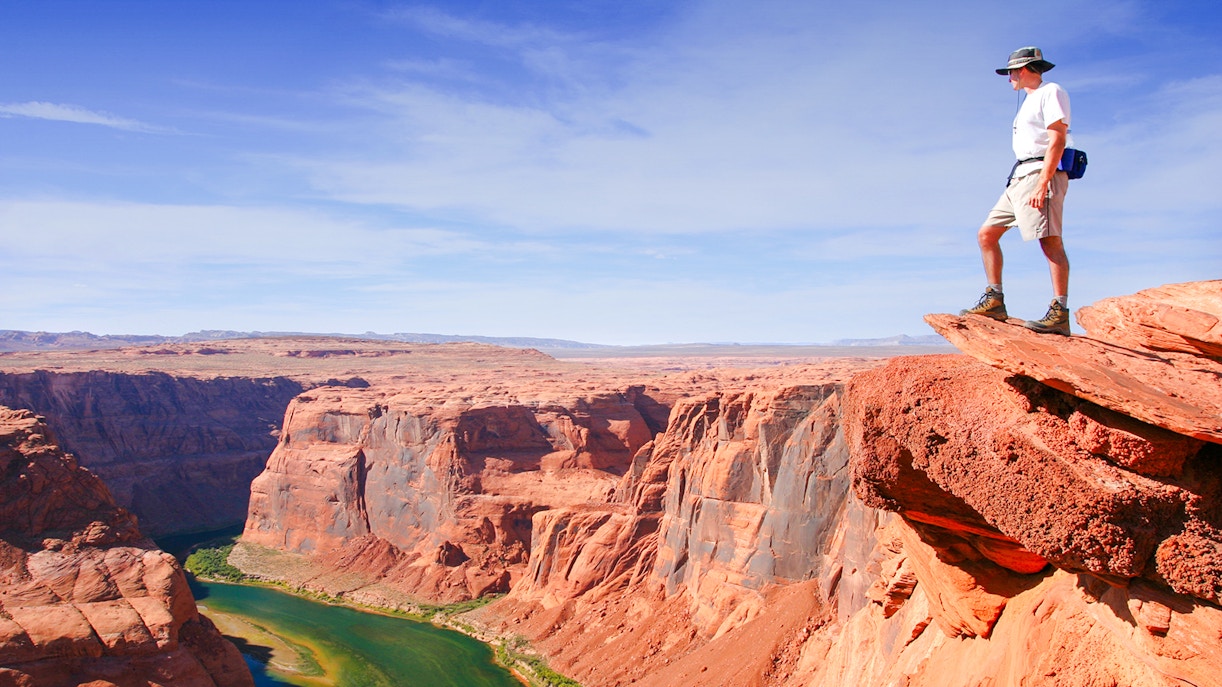
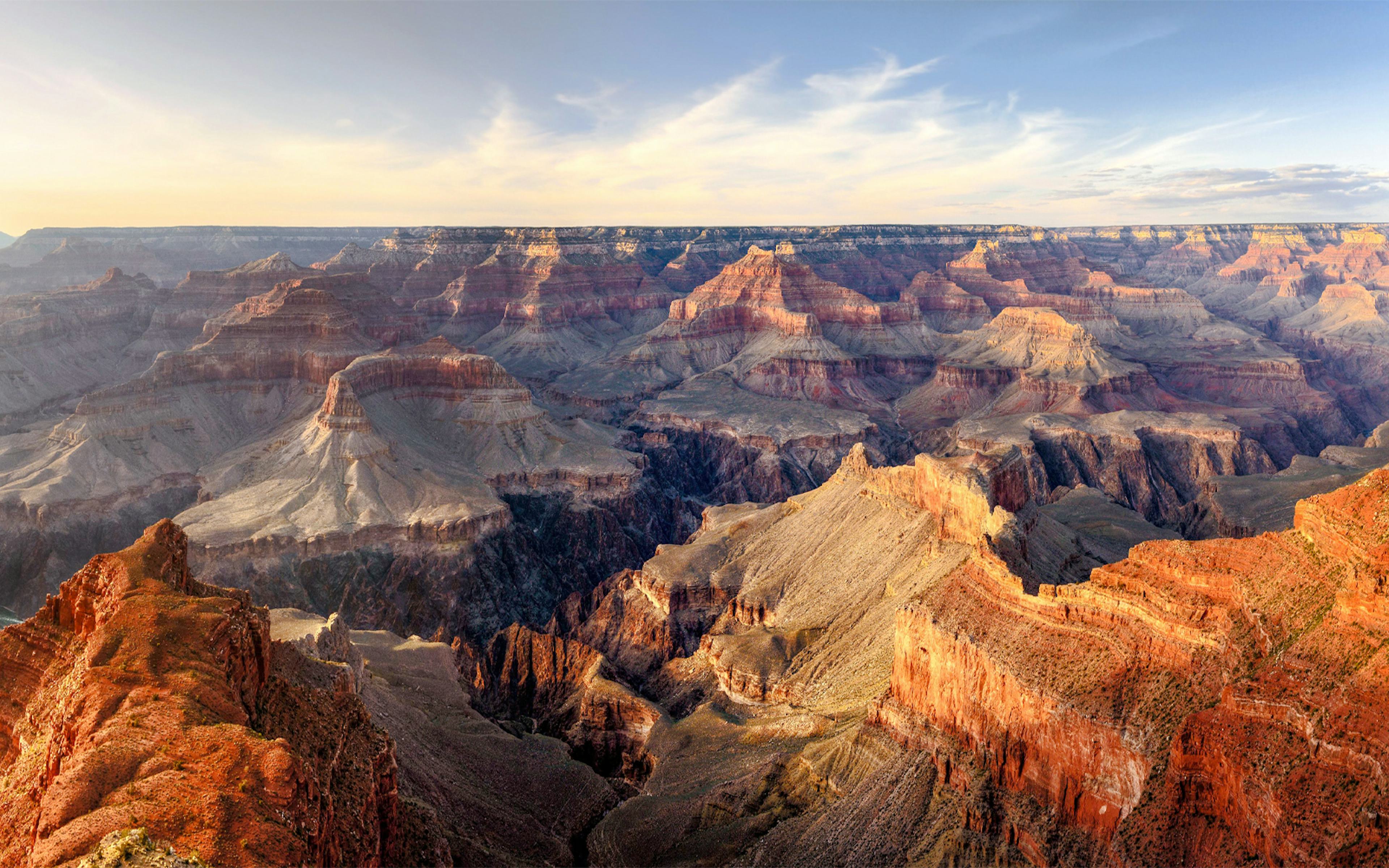
Listed as a UNESCO World Heritage Site in 1979, followed by a designated spot on the "New Seven Wonders of the World” list in 2006, Grand Canyon National Park is home to the Grand Canyon, one of the largest and most popular canyons, drawing visitors from around the world to experience its sheer size and beauty.
Unmatched views
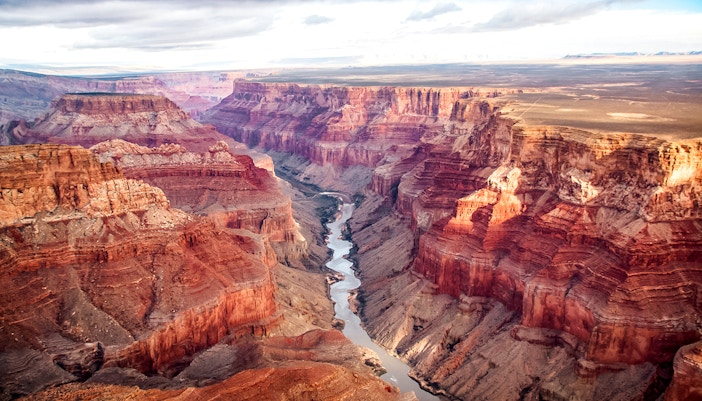
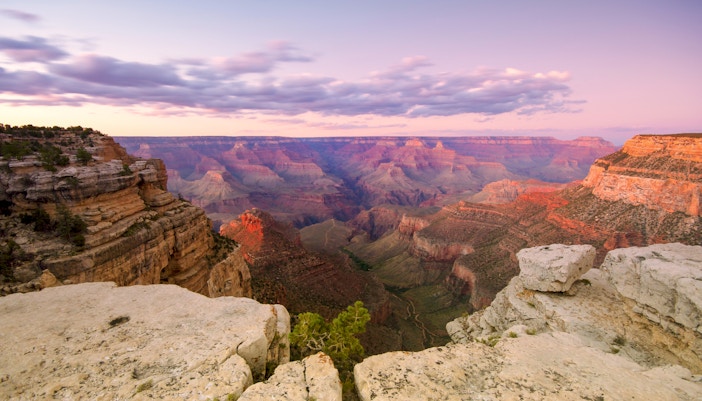
The Grand Canyon National Park is renowned for its expansive canyon views, which you can see from multiple viewpoints around the rims. Mather Point is a popular starting point, followed by Yavapai Point and Desert View Watchtower.
Rich cultural and historical experiences
The Grand Canyon has deep cultural roots, with significant connections to Native American history. The South Rim is home to the Grand Canyon Village, where you can explore historic buildings like El Tovar Hotel and Hopi House.
Wide range of activities
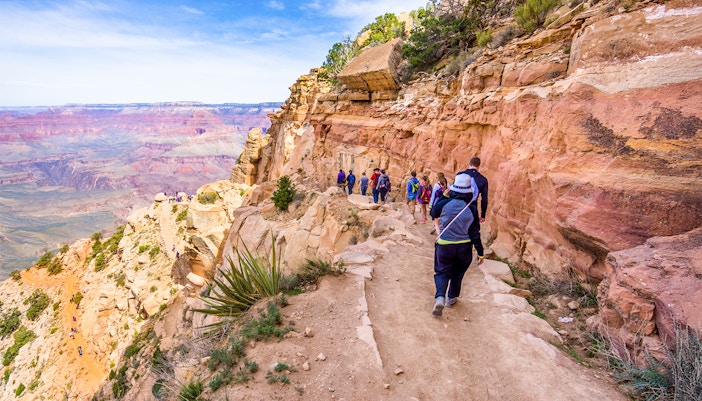
From guided hikes on trails like the Bright Angel Trail and Rim Trail to mule rides and river rafting, don’t miss out on the fun activities at the South Rim.
Convenient amenities
The South Rim inside the National Park is a popular destination for tourists since it is well-developed with visitor centers, gift shops, restaurants, and lodging facilities to ensure comfort and convenience during your visit. The park even provides free shuttle buses that make it easy to navigate between various viewpoints.
About Grand Canyon National Park
Formation and geology
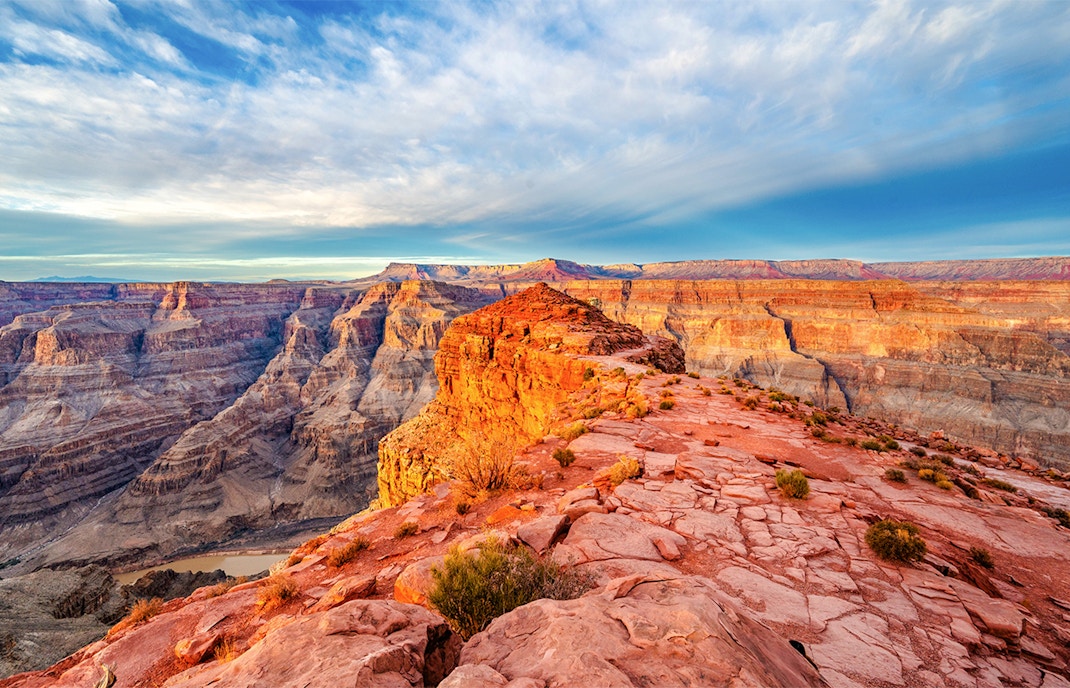
- The walls inside the canyon give you a chance to see the planet’s history up close. Layers of rocks, dating back 2 billion years to 100 million years, form the Grand Canyon.
- Deposits from sand, shallow seas, fossils of prehistoric plants and animals, have layered for hundreds of millions of years to form the foundation of the structure we see today.
- A tectonic plate uplift created the Colorado Plateau, which is where the Grand Canyon sits. The uplift created a high-speed elevation channel through which the Colorado River passed for millions of years, cutting through the rocks and building the canyon.
Flora and fauna
- Multiple habitats and ecosystems exist within the canyon due to the varying elevation levels, water availability, and seasonal factors.
- This diversity creates an ideal environment for multiple species with different adaptations to survive within Grand Canyon National Park.
- Since it’s a designated National Park and a World Heritage Site, multiple regulations and efforts have been put in place to protect the larger ecosystem of the Grand Canyon.
- Many endemic, endangered, and rare species of wildlife live in the region.
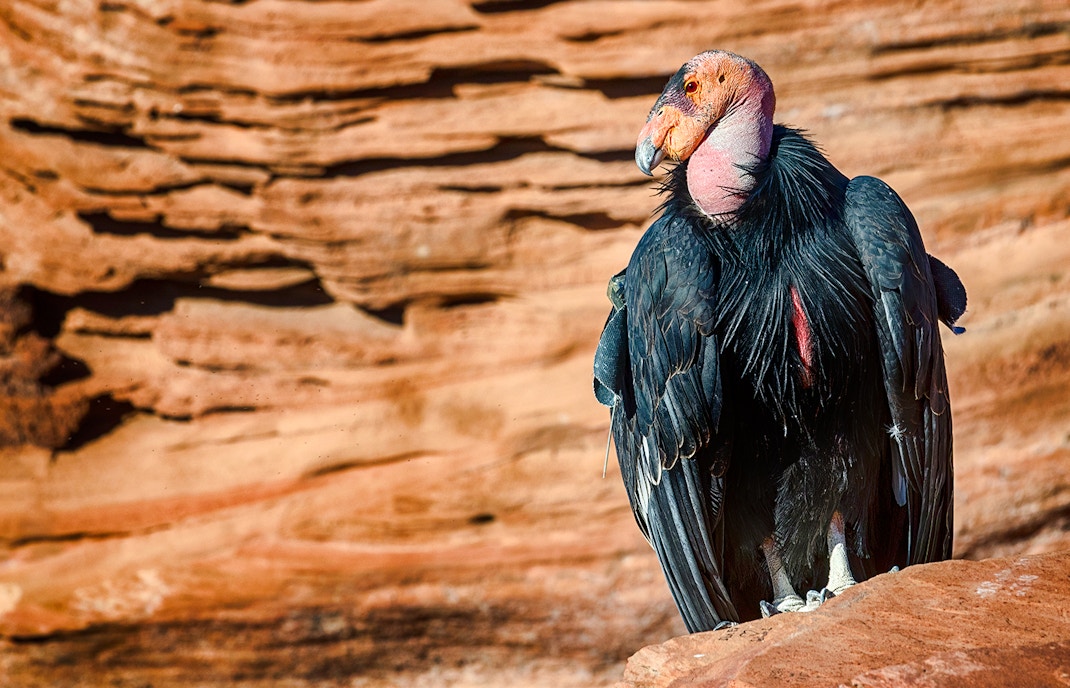
- Endangered species: Humpback chub, Kanab ambersnail, California Condor, Yuma clapper rail, Mexican spotted owl, and more.
- Flora: 1,737 species of vascular plants, 167 species of fungi, 195 species of lichen, and 64 species of moss, ranging from freshwater plants to mountain trees, shrubs, and cacti in between.
- Fauna: Kaibab squirrel, bighorn sheep, 22 species of bats, American bison, ringtail, mountain lion, Steller's Jay, peregrine falcon, and more.
- Invertebrates: 1,443 species of invertebrates have been discovered at Grand Canyon National Park, which includes 292 species of moths and butterflies, 179 species of beetles, tarantulas, and bark scorpions.
Human history of Grand Canyon National Park
- 10,000+ years ago: The first sign of human presence was hunter-gatherers and nomadic humans in the region hunting mammals like mammoths.
- 500 BCE to 1250 CE: Ancestral Puebloans settle in the canyon region.
- 700 years ago: Hualapai and Havasupai are the first tribes to settle in and around the Grand Canyon.
- 1500s: First European explorers arrive in the region but they found the conditions to be uninhabitable.
- 1800s: Copper and gold prospectors arrive in the area.
- Late 1800s: Europeans and Americans begin building permanent settlements around the South Rim.
- 1893: President Benjamin Harrison declares the Grand Canyon a National Forest Reserve.
- 1900s: Mary Elizabeth Colter designs and builds multiple lodges, rest stops, and attractions around the national park.
- 1908: President Theodore Roosevelt declared the Grand Canyon to be a national monument.
- 1919: Grand Canyon National Park is officially signed into existence by President Woodrow Wilson.
- 1979: Grand Canyon National Park is declared a UNESCO World Heritage Site.
Top sights and experiences at Grand Canyon National Park
Viewpoints
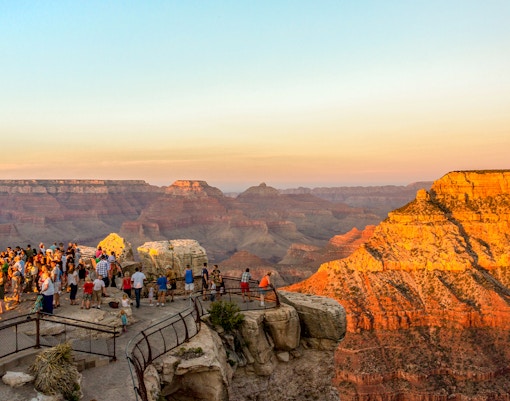
Some of the most famous viewpoints include Mather Point, Yavapai Point, Lipan Point, and Grandview Point, where the views are all unique and each of them truly unforgettable. See the canyon's vastness and the vibrant layers of the rock formations.
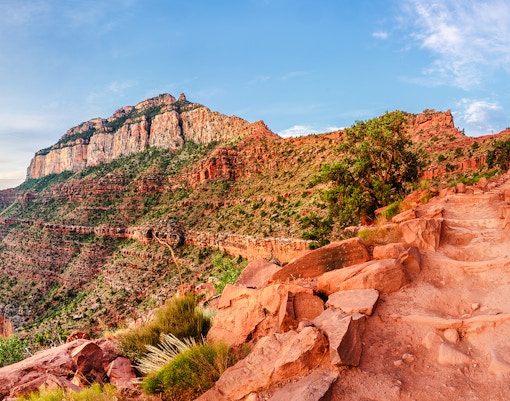
Trails
Bright Angel Trail is the most popular trail that leads into the Grand Canyon, and South Kaibab Trail is one of the most adventurous ones. Other short hikes with paved pathways take you along the rim, making them more accessible for families with children or older visitors.
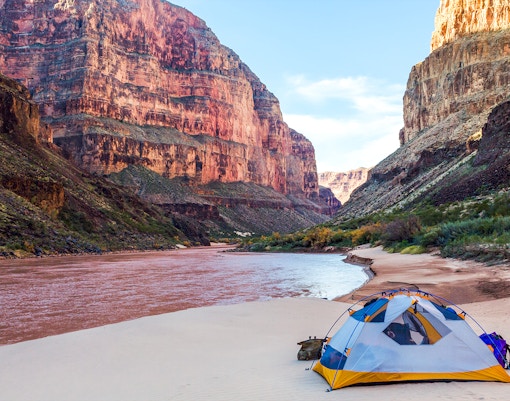
Camping
Spend time at the campgrounds, where you can park your RV, pitch a tent, and enjoy canyon views day and night, as you explore the different sections and attractions within Grand Canyon National Park.
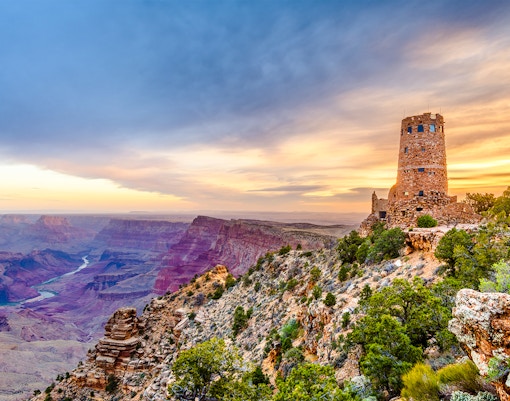
Desert View Watchtower
Designed by architect Mary Colter, the Desert View Watchtower is a replica of an ancestral Puebloan tower with views of the Grand Canyon and the Colorado River. Inside the watchtower, you can admire murals and art that celebrate Native American culture.
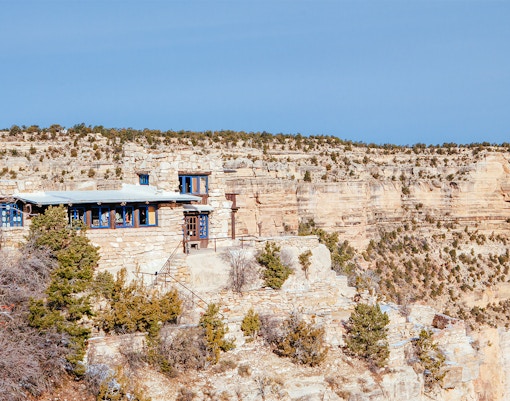
Yavapai Geology Museum
Take some time to visit the Yavapai Geology Museum, where you can learn about the fascinating geological history of the canyon through interactive exhibits. Find out how the processes of nature shaped this natural wonder through informative displays.
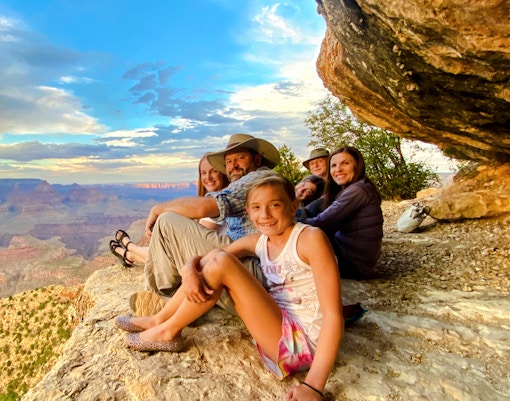
Grand Canyon Village
Grand Canyon Village serves as the hub of activity on the South Rim, with historic buildings, accommodations, restaurants, and shops. The village is perfect for those looking to know more about the park's history while enjoying convenient amenities.
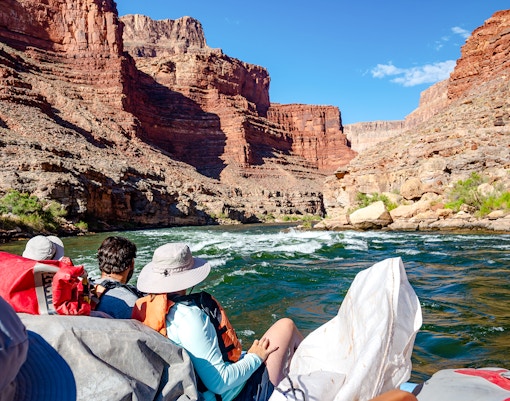
River rafting
Rafting the Colorado River makes for an adventurous way to explore the Grand Canyon, combining thrilling rapids with serene sections through towering canyon walls. Guided rafting trips vary in length and intensity, catering to both beginners and experienced adventurers.
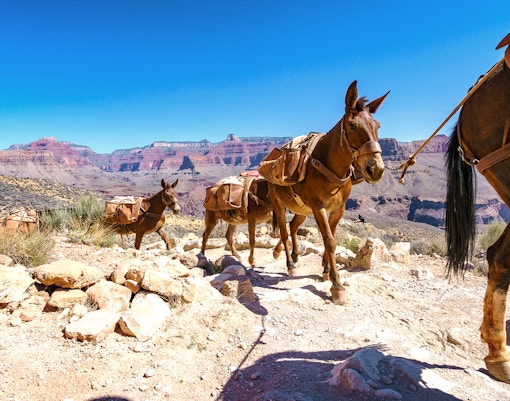
Mule rides
Take a mule ride to explore the canyon's trails without strenuous hiking and enjoy the views while being guided by experienced wranglers. This is sure to be a memorable adventure for both first-time visitors and seasoned explorers.
Frequently asked questions about Grand Canyon National Park
The South Rim is open year-round and offers the widest variety of viewpoints, shuttle routes, and services. It’s where most visitors go, and the canyon scenery is consistently panoramic right from the rim. The North Rim feels like a different park, with higher elevation, cooler temps, a quieter forest setting, and far fewer crowds. But it’s only open roughly mid-May to mid-October, and distances between viewpoints are longer, so you see fewer but more secluded overlooks.
Mather Point (classic wide-angle view), Yaki Point (quiet and shuttle-only), and Navajo Point (dramatic shadows) for sunrise at the South Rim. Hopi Point (fan favorite), Pima Point (longer canyon views), and Lipan Point (spectacular color changes) for sunset at the South Rim. North Rim: Bright Angel Point for sunrise; Cape Royal and Imperial Point for sunset.
For Grand Canyon National Park, no timed entry reservation is required. However, lodging, mule rides, Phantom Ranch stays, and campground spots book out months in advance. If you’re planning a peak-season trip, secure accommodations early or stay in Tusayan or Williams.
Great beginner-friendly options include Bright Angel to the 1.5 Mile Resthouse, South Kaibab to Ooh Aah Point, and North Rim’s Transept Trail. The key rule to follow is: only hike down as far as you can safely hike back up, because coming back up takes twice as long and is far harder due to elevation gain and heat.
The temperature at the river can be 20-30°F hotter than the rim. In summer, expect inner canyon temperatures of 100-120°F. Even mornings warm quickly.
Expect elk near the South Rim entrance, mule deer in forested areas, California condors soaring overhead, and bighorn sheep near cliffs. Never approach any wildlife, especially the elk; they can be aggressive. A good rule to follow is to always maintain 100 feet or more distance. Avoid feeding any animals you may encounter at all costs.
Mule rides are a unique Grand Canyon tradition and are not the same as horseback riding, since mules are more stable on steep terrain. You can enjoy a short rim ride at the South Rim.